

Antiseptic Liquids: Uses, Benefits, and Safety Tips
Call it an unsaid rule but antiseptic liquids are found in every household. Be it hygiene, or first aid requirements, Dettol Antiseptic liquid always come to the rescue, the significance of antiseptic liquids cannot be overstated.
These liquids play a vital role in maintaining hygiene in both household and medical settings. From disinfecting wounds to sanitizing surfaces, these versatile solutions offer a range of uses and benefits. But with so many different types of antiseptic liquids available, understanding their function and using them safely is crucial.
Understanding Antiseptic Liquids
Antiseptic liquids are solutions designed to inhibit the growth of microorganisms on living tissue or surfaces. Unlike disinfectants, which are primarily used on surfaces, antiseptic liquids are recommended for use on skin.
Common types of antiseptic liquids include:
- Alcohol-based solutions (e.g., Isopropyl alcohol, Ethanol)
- Iodine solutions (e.g., Povidone-iodine)
- Chloroxylenol solutions
- Chlorhexidine gluconate solutions
- Benzalkonium chloride solutions
- The effectiveness of each type varies depending on the specific microorganism and the formulation of the antiseptic.
Uses of Antiseptic Liquids

The applications of antiseptic liquids span across various domains:
Wound Care: Antiseptic liquids are paramount in disinfecting minor cuts, scrapes, and burns. They cleanse the wound, preventing infection and promoting healing.
Medical Procedures: Antiseptic liquids are routinely employed in medical settings to disinfect skin before surgeries, injections, or venipuncture procedures, minimizing the risk of surgical site infections and bloodstream infections.
Surface Disinfection: From household surfaces to medical equipment, antiseptic liquids serve as effective disinfectants, eradicating harmful pathogens and preventing cross-contamination.
Benefits of Antiseptic Liquids
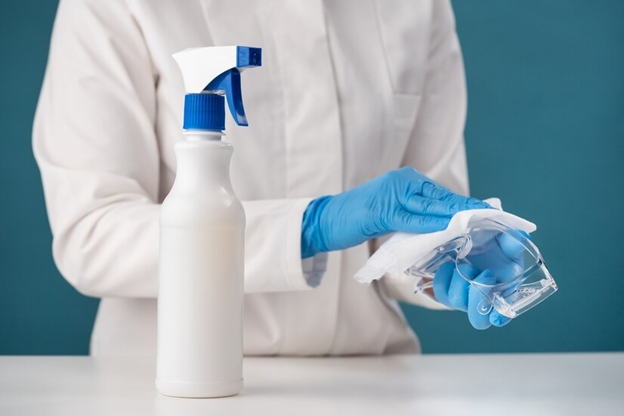
Infection Prevention: Antiseptics help prevent infections by reducing the number of microorganisms on the skin or surfaces. This is particularly important in preventing the spread of some contagious diseases.
Improved Hygiene: Antiseptics contribute to a cleaner and more hygienic environment by reducing the overall germ burden.
Wound Healing: By preventing infections in wounds, antiseptics can promote faster healing times.
Convenience: Antiseptic liquids are readily available, easy to use, and offer a quick and effective way to disinfect surfaces and clean wounds.
Safety Tips for Using Antiseptic Liquids

While antiseptic liquids are invaluable assets in maintaining hygiene, their usage warrants adherence to safety guidelines.
- Read the Label: Familiarize yourself with the instructions and precautions outlined on the product label before use.
- Avoid Ingestion: Antiseptic liquids are not intended for ingestion. Store them out of reach of children and pets to prevent accidental ingestion.
- Patch Test: Before applying antiseptic liquids to large areas of skin, conduct a patch test to check for any adverse reactions or allergies.
- Use as Directed: Follow the recommended dilution ratios and contact times specified for effective disinfection without causing skin irritation.
- Ventilation: Ensure adequate ventilation when using certain antiseptic liquids to minimize inhalation of fumes, particularly in confined spaces.
- Avoid contact with eyes and mucous membranes: Most antiseptic liquids can irritate the eyes, nose, and mouth.
- Keep away from flames: Alcohol-based antiseptics are flammable.
Choosing the Right Antiseptic Liquid
Selecting the appropriate antiseptic liquid depends on factors such as intended use, compatibility with skin type, and efficacy against target pathogens. Consider the following pointers:
Active Ingredients: Opt for antiseptic liquids containing well-established antimicrobial agents such as alcohol, Chloroxylenol, Chlorhexidine, or povidone-iodine.
Formulation: Choose formulations tailored to the intended application, whether it's wound care, or surface disinfection.
Skin Sensitivity: Individuals with sensitive skin should opt for milder formulations to prevent irritation or allergic reactions.
Efficacy: Ensure that the selected antiseptic liquid is effective against a broad spectrum of pathogens, including bacteria, viruses, and fungi.
Antiseptic liquids stand as crucial allies in our quest for cleanliness and hygiene. By understanding their uses, benefits, and safety considerations, we can harness their effective antimicrobial properties effectively.
Whether in the confines of our homes or the sterile corridors of healthcare facilities, antiseptic liquids play a pivotal role in safeguarding our well-being and fostering a healthier environment.
FAQs
Question: How do antiseptic liquids work?
Answer: Antiseptic liquids disrupt the cellular structures or metabolic processes of microorganisms, thereby inhibiting their growth and promoting their elimination.
Question: Are antiseptic liquids recommended for use on skin?
Answer: When used as directed, antiseptic liquids are generally recommended for topical application on intact skin. However, individuals with allergies or sensitivities should exercise caution and perform a patch test.
Question: Are antiseptic liquids recommended for use in first aid?
Answer: Yes, antiseptic liquids are commonly used in first aid to cleanse wounds and prevent infections. However, they should not be applied to deep puncture wounds or severe burns without medical supervision.
Question: Are antiseptic liquids effective against COVID-19?
Answer: Some antiseptic liquids, particularly those containing alcohol (Chloroxylenol) or hydrogen peroxide, have demonstrated efficacy against coronaviruses, including SARS-CoV-2, when used for surface disinfection.
Question: Can antiseptic liquids expire?
Answer: Yes, antiseptic liquids expire. Check the expiry date indicated on the product label and discard any expired or deteriorated solutions to ensure optimal efficacy.