

FOOD HYGIENE: IMPORTANCE, PRACTICES, AND RISKS
Every consumer has the right to safe and good quality food. One of the most important food hygiene practices and effective methods of protecting consumers is proper handwashing. This operation reduces the risk of diarrhoeal illness by around 30-45%. Food hygiene is a crucial aspect of ensuring the safety and quality of food consumed by individuals. From farm to fork, proper food handling practices are critical to preventing the spread of harmful bacteria, viruses, and parasites that can cause foodborne illness.
In this blog, we will discuss the significance of food hygiene, explore its key principles and practices, highlight the risks associated with neglecting food hygiene, and emphasize the importance of cleaning and sanitizing kitchen equipment, utensils, and surfaces to prevent the spread of germs.
Importance of Food Safety and Hygiene

The importance of food hygiene cannot be overstated. Ensuring proper food hygiene practices is essential for several reasons:
Public Health: Food safety is a shared responsibility. By following good hygiene practices at home, in restaurants, and throughout the food chain, we can collectively protect the health of ourselves, our families, and our communities.
Consumer Confidence: Maintaining high standards of food hygiene instills confidence in consumers regarding the safety and quality of the food they consume. Establishments that prioritize food hygiene are more likely to attract and retain customers, thereby enhancing their reputation and credibility in the market.
Legal Compliance: Regulatory authorities enforce stringent food safety regulations to protect consumers from foodborne hazards. Compliance with these regulations, which often include specific food hygiene requirements, is mandatory for food businesses to operate legally. Failure to adhere to these standards can result in penalties, fines, or even closure of the establishment.
Personnel Development: Practicing food hygiene in the operation facilities does not only improve your business. It also teaches your restaurant employees, and everyone involved in production, to apply hygienic processes in their everyday lives and therefore improve their way of living.
Food Hygiene Practices
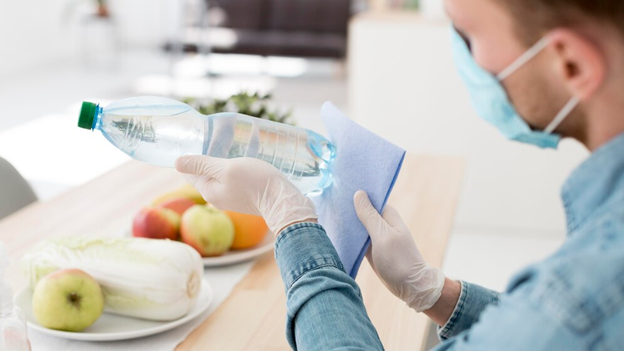
Food hygiene practices encompass a range of measures aimed at preventing contamination and ensuring the safety of food. Here are some key practices to incorporate:
Personal Hygiene: Safe food and hygiene are two items that work together. Personal hygiene practices refer to your and your employee's practices and routines in caring for your body and keeping it clean.
Wearing clean and protective clothing at all times. Keeping hair tidy and covering it with a hair restraint. Properly washing hands thoroughly before and after handling food. Avoid coughing or sneezing near food preparation areas.
Food Handling: Safe handling of food involves practices such as storing food at appropriate temperatures, preventing cross-contamination between raw and cooked foods, and using separate utensils and cutting boards for different food items. Proper segregation also includes setting a space for dried and wet products.
Cleaning and Sanitizing: Regularly disinfect and sanitize countertops, cutting boards, utensils, and appliances with a disinfectant solution. Washing ingredients before cooking, such as fruits and vegetables. Remember to target areas often in contact with raw food.
Temperature Control: Proper temperature control is critical in preventing the growth of bacteria that thrive in certain temperature ranges (below 4°C for most foods). Refrigeration of perishable foods and thorough cooking of raw meats are essential practices to ensure food safety.
Pest Control: Effective pest control measures are essential to prevent contamination of food by pests such as rodents, insects, and birds. Key pest control practices include:
- Regular Inspections: Conducting regular inspections of the premises to identify signs of pest activity and taking appropriate measures to address any infestations.
- Pest-Proofing: Sealing cracks, gaps, and entry points to prevent pests from entering the facility.
- Proper Waste Management: Ensuring that food waste is stored and disposed of properly to minimize attractants for pests.
- Safe water: Water is also used for cleaning raw materials and utensils alike. As such, water quality in all areas of your food business must have a clean and potable source.
Four Cs of Food Hygiene

Cleaning: Effective cleaning is vital to ensure that all equipment and surfaces are free from food contamination and remove all dirt, debris and harmful microorganisms.
Cooking: Thorough cooking is necessary to kill harmful bacteria that potentially cause food poisoning. Each food item requires a different amount of cooking time and a safe and proper temperature up to the center of your product.
Chilling: Refrigerate and store food at proper temperatures. Proper chilling is crucial to stop bacterial growth and keep food safe, particularly for perishable food such as ready-to-eat salad, cooked meat, etc.
Cross-Contamination: Prevention of cross-contamination by keeping raw and cooked foods separate, using separate utensils and cutting boards, and avoiding contact between raw meats and ready-to-eat foods.
Difference between Food Safety and Food Hygiene
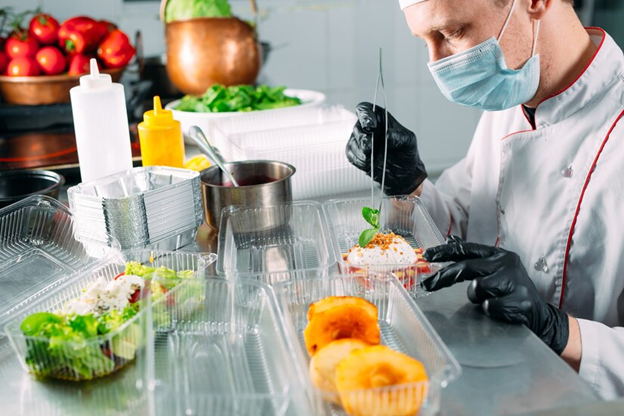
Food Safety: This is a broader term encompassing the entire chain of food handling, from production to consumption. This includes aspects such as food handling, storage, processing, and distribution.
Food Hygiene: Food hygiene specifically focuses on practices related to the cleanliness and sanitation of food and food preparation environments to prevent the spread of pathogens and reduce the risk of foodborne illnesses.
Risks of Not Practicing Food Hygiene
Neglecting food hygiene practices can pose significant risks to public health and the reputation of food establishments:
Foodborne Illnesses: This is the most important risk. Improper food hygiene allows harmful bacteria, viruses, and parasites to thrive on food. Consuming contaminated food can lead to a range of illnesses, including:
- Nausea and vomiting: These are common symptoms that can be debilitating and disrupt your daily life.
- Stomach cramps: These can be severe and cause significant discomfort.
Legal Consequences: Food businesses that do not comply with food hygiene regulations may face legal consequences, including fines, penalties, or closure orders imposed by regulatory authorities.
Reputation Damage: Incidents of foodborne illness linked to a particular establishment can tarnish its reputation and lead to loss of trust among consumers. Rebuilding trust and restoring reputation can be challenging and may have long-term consequences for the business.
Therefore, food hygiene is paramount in ensuring the safety, quality, and integrity of the food supply chain. By preaching proper food hygiene practices, including cleaning and disinfecting kitchen equipment, utensils, and surfaces, we can reduce the risks of foodborne illnesses and uphold public health standards.
It is imperative for food businesses, regulatory authorities, and consumers to collaborate in promoting and maintaining high standards of food hygiene to safeguard public health and well-being. Make food hygiene and safety your priority and implement your smart Food Safety Management System today.